Fluviaries
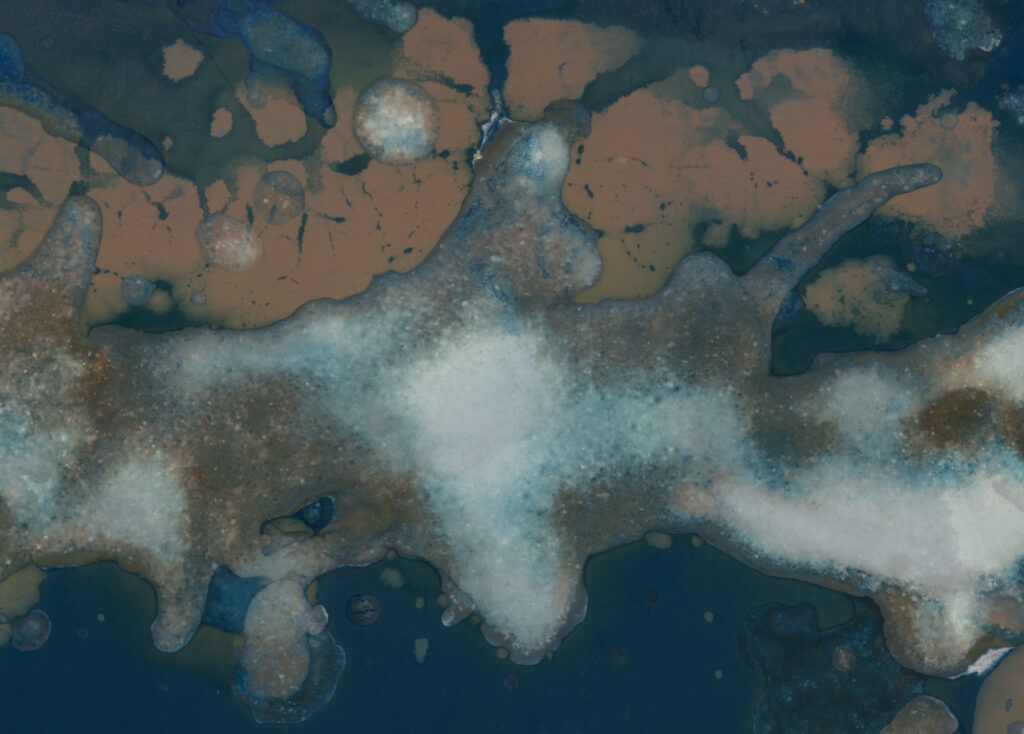
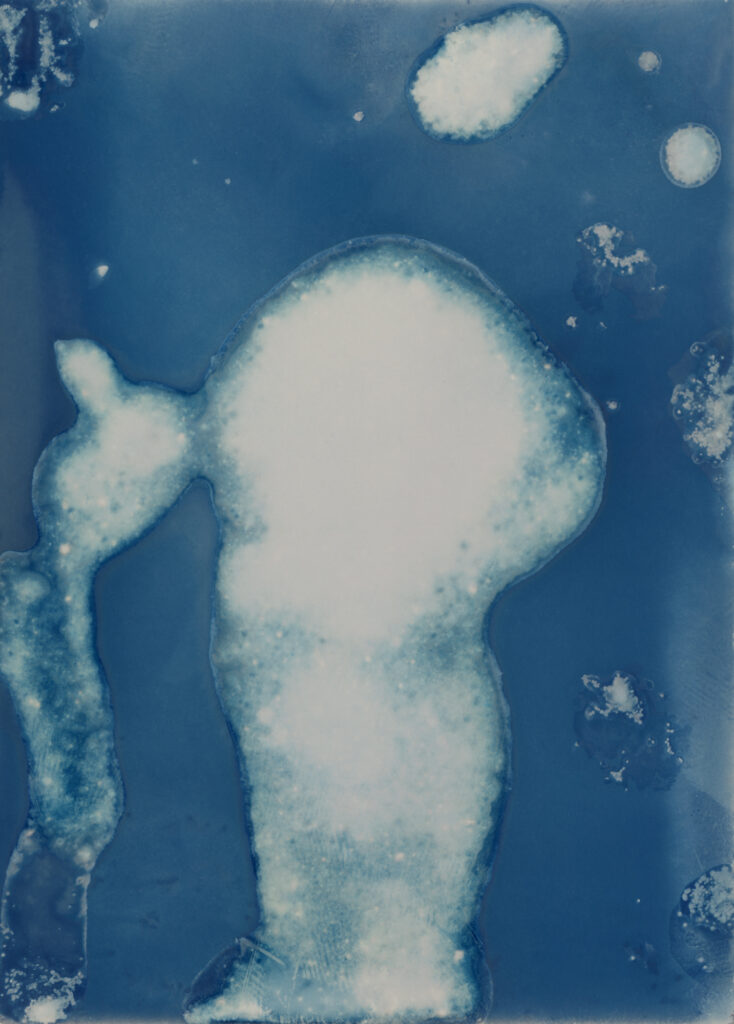
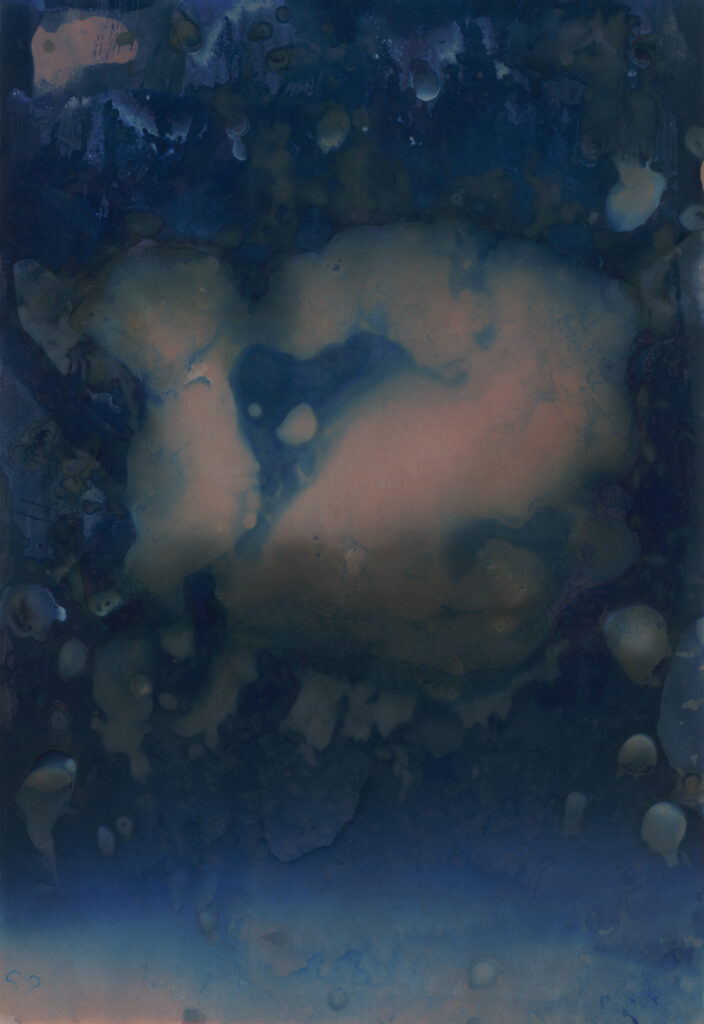
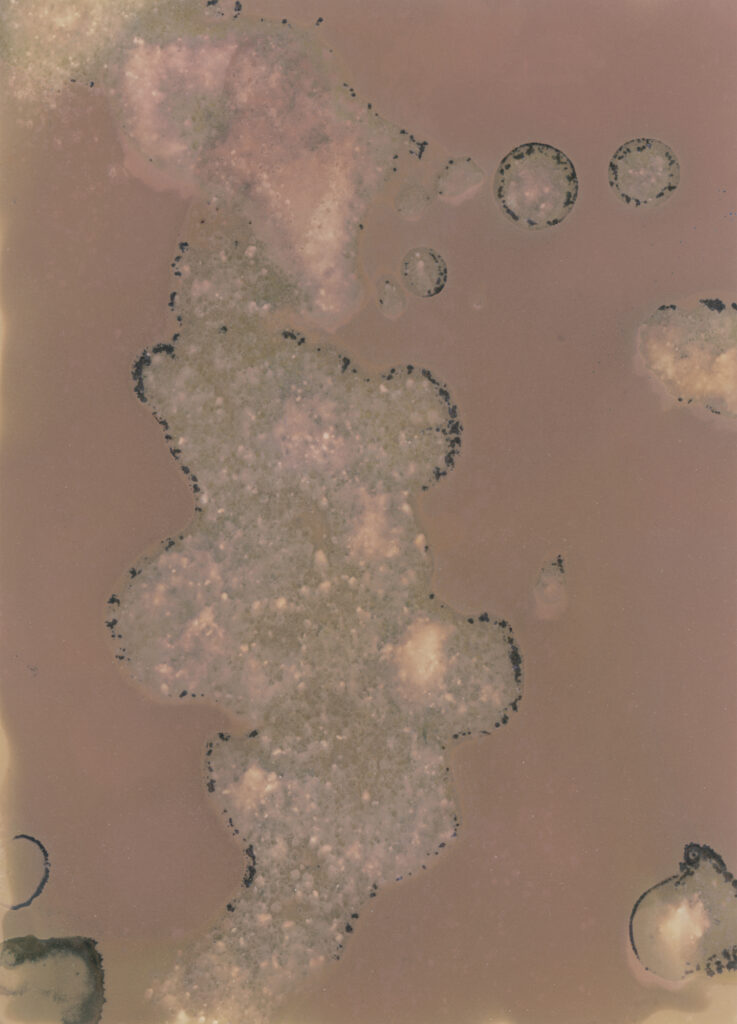
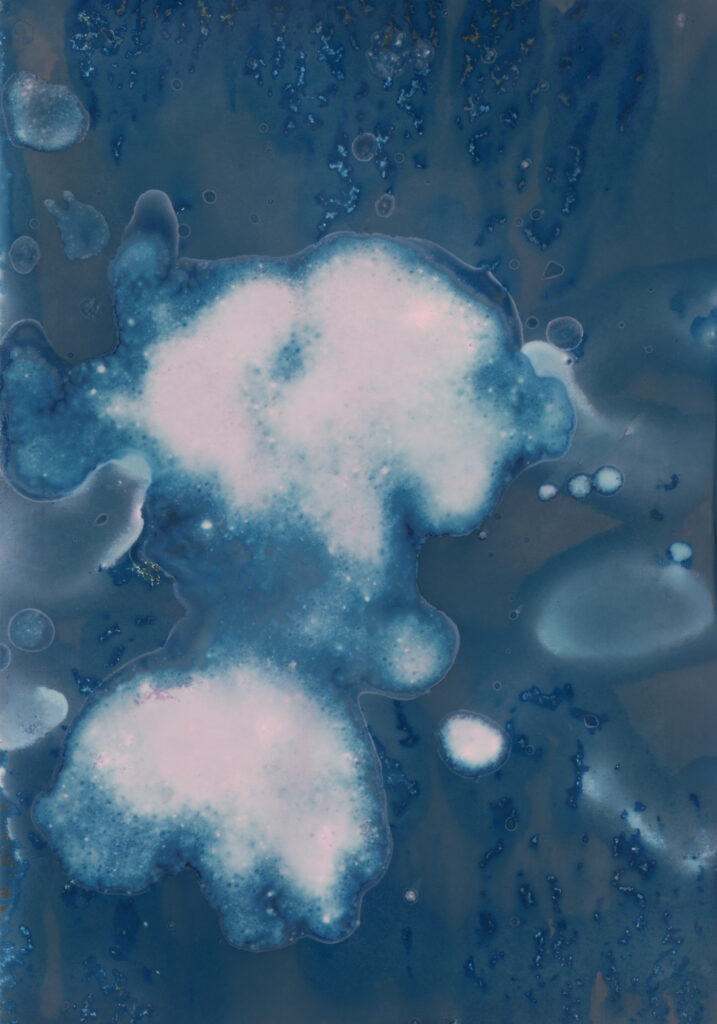
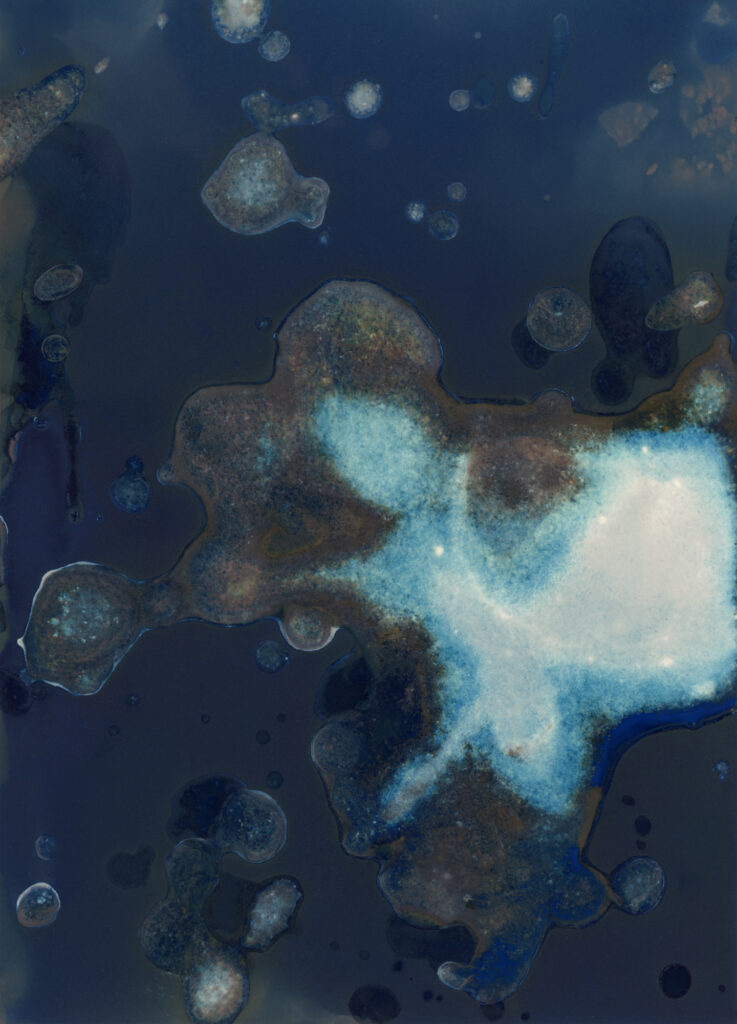
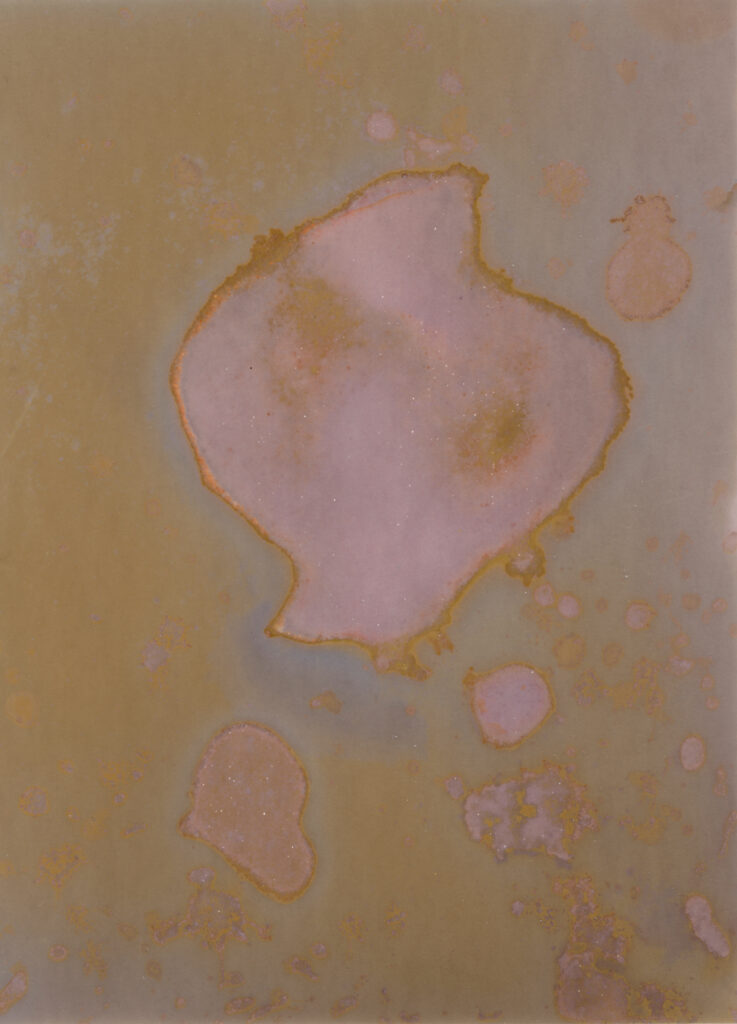
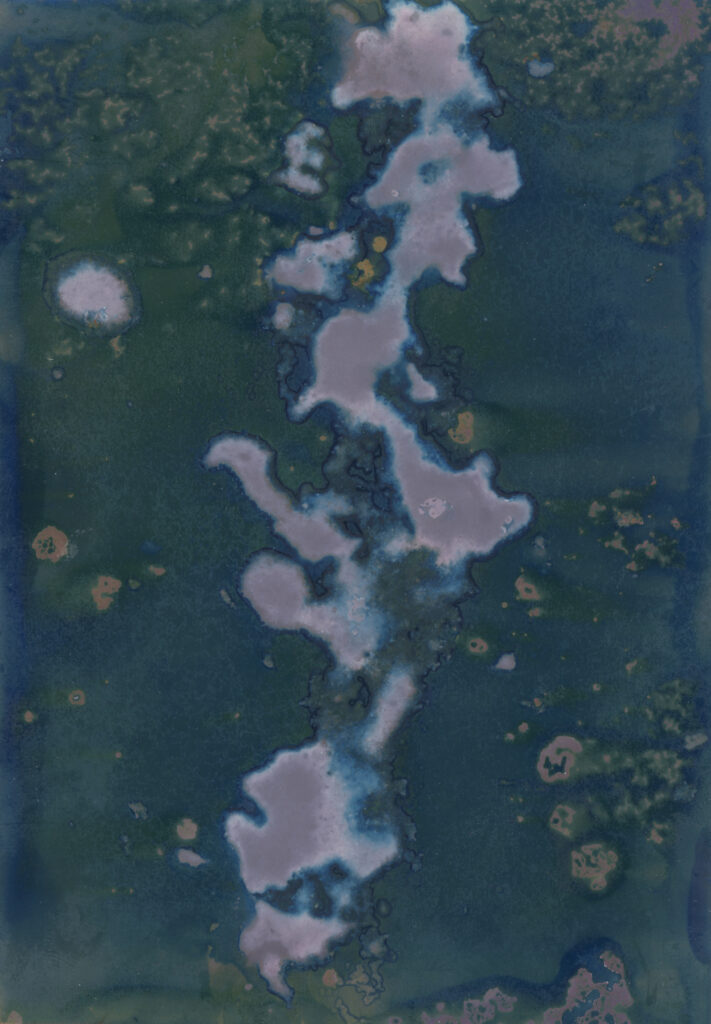
2025, lumen and cyanolumen techniques.
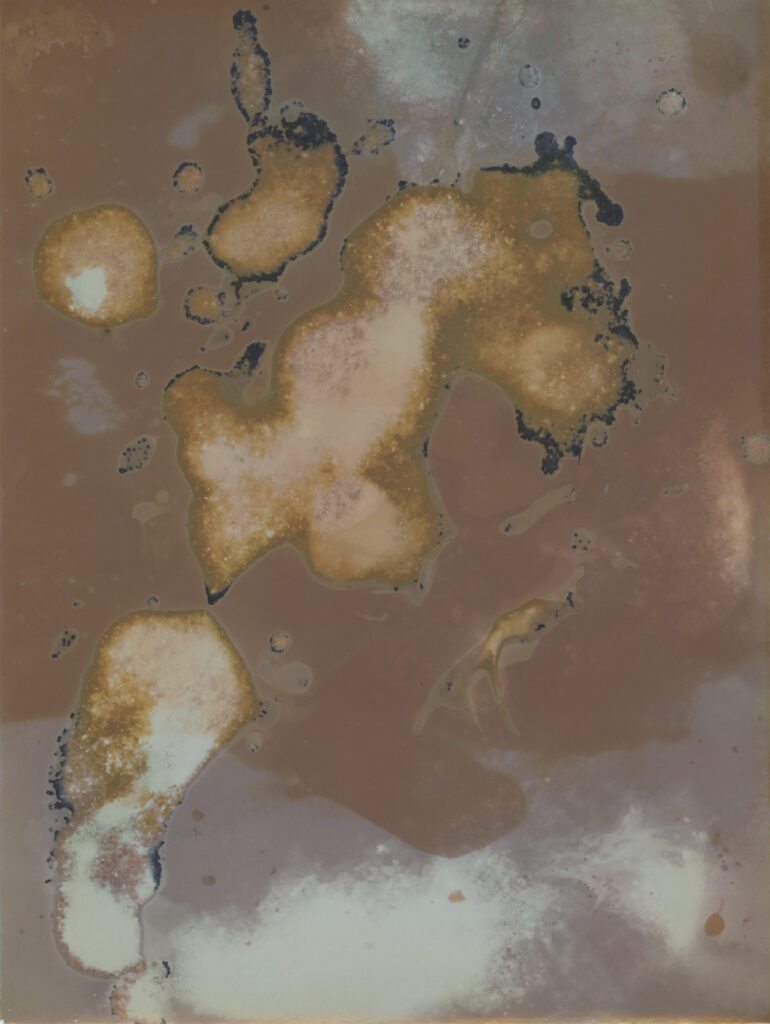
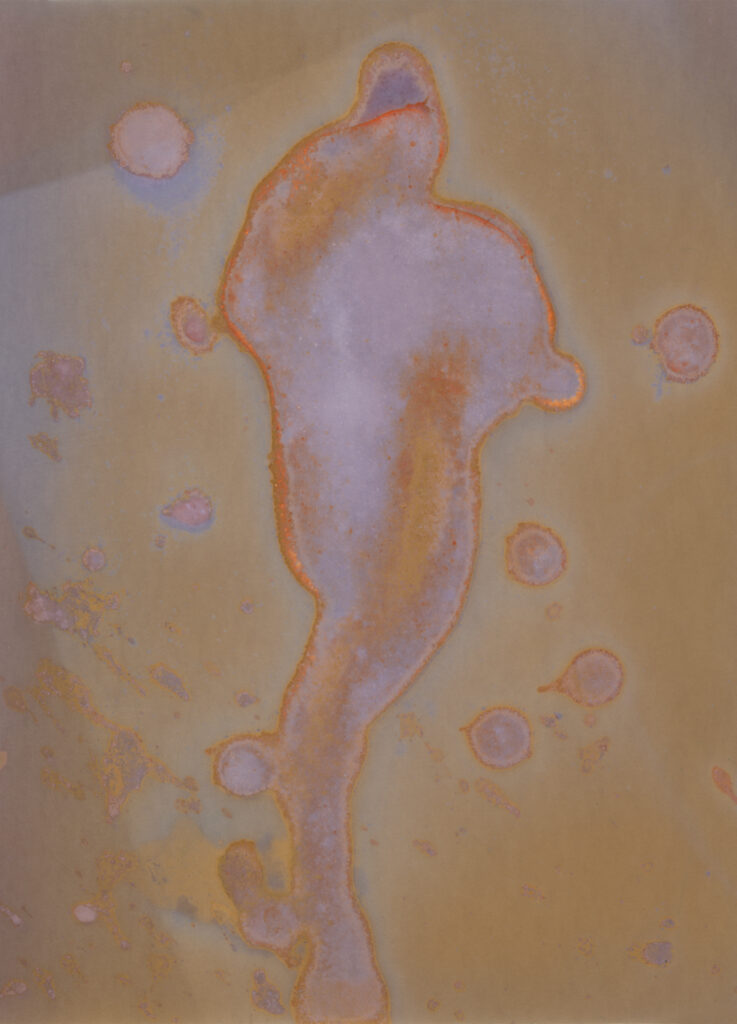
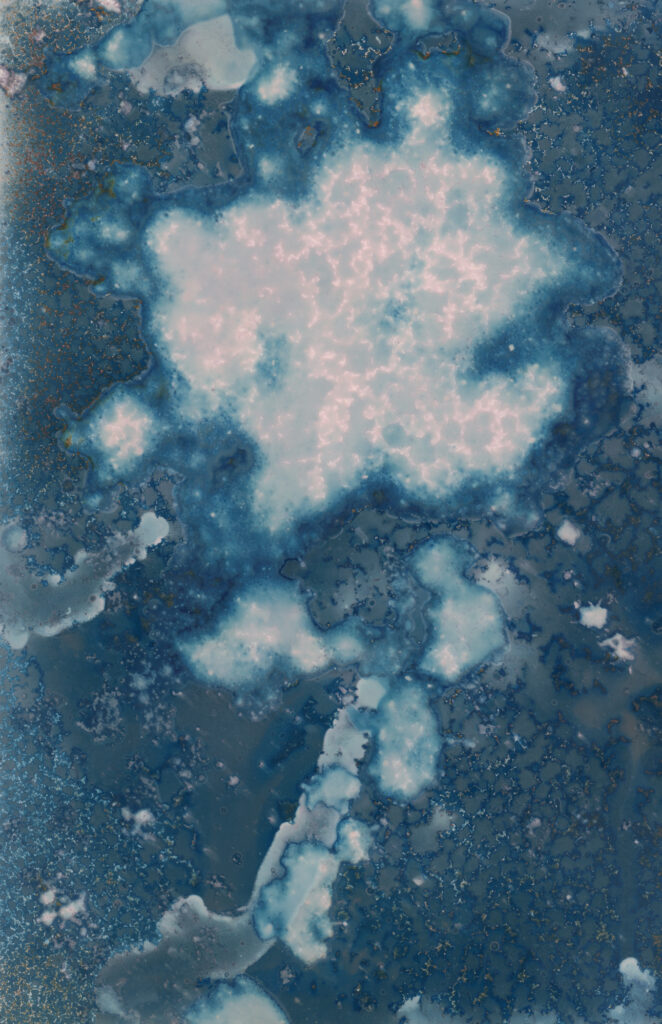
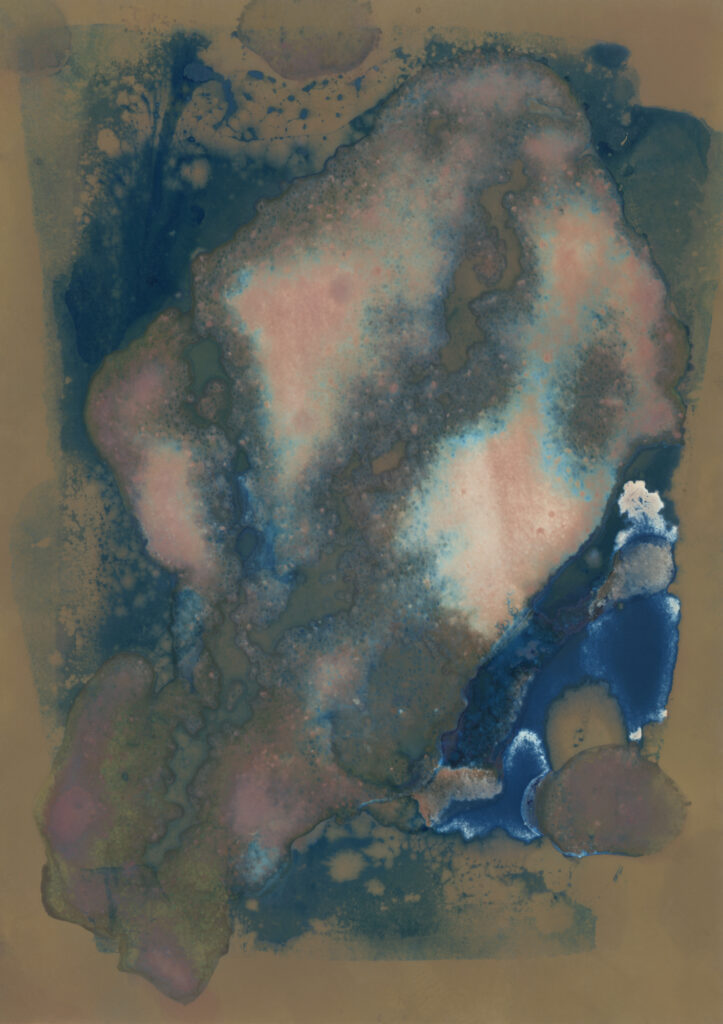
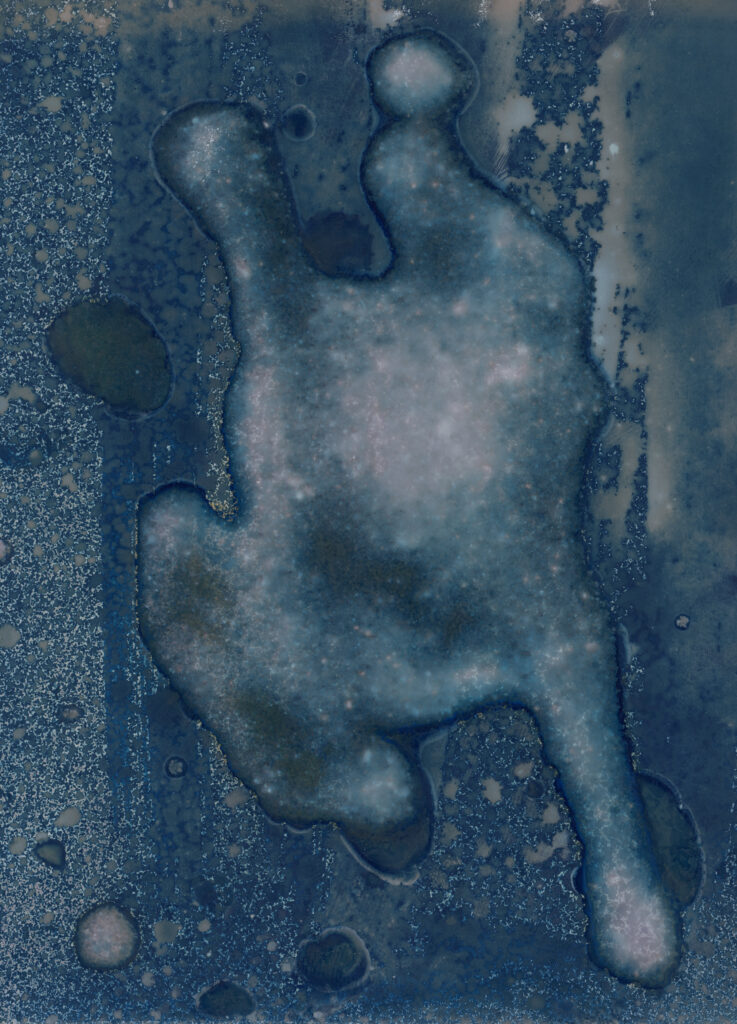
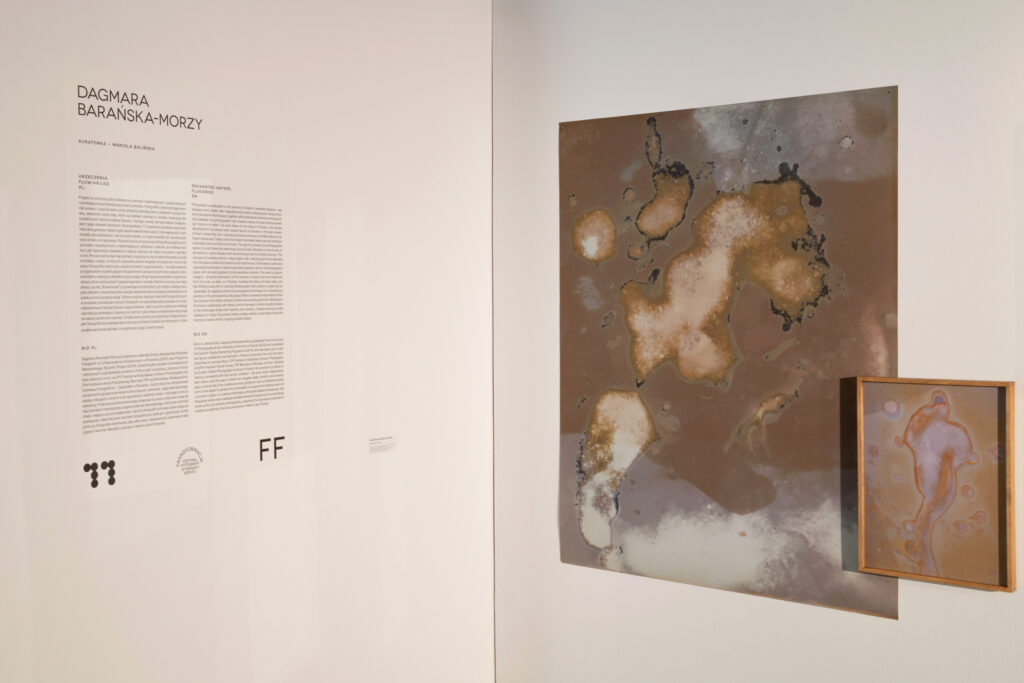
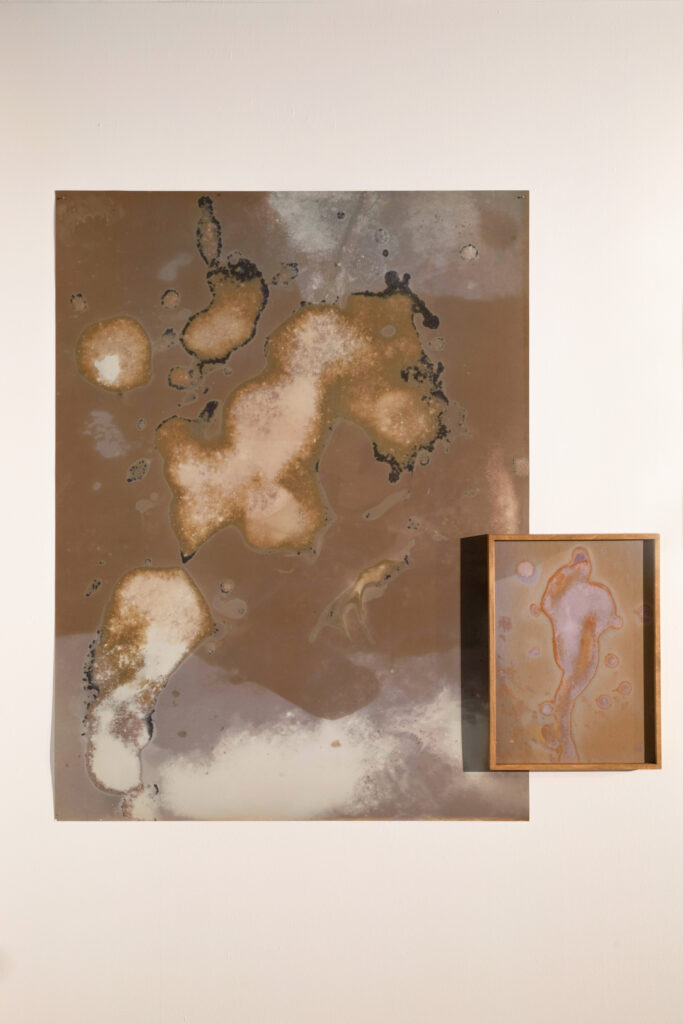
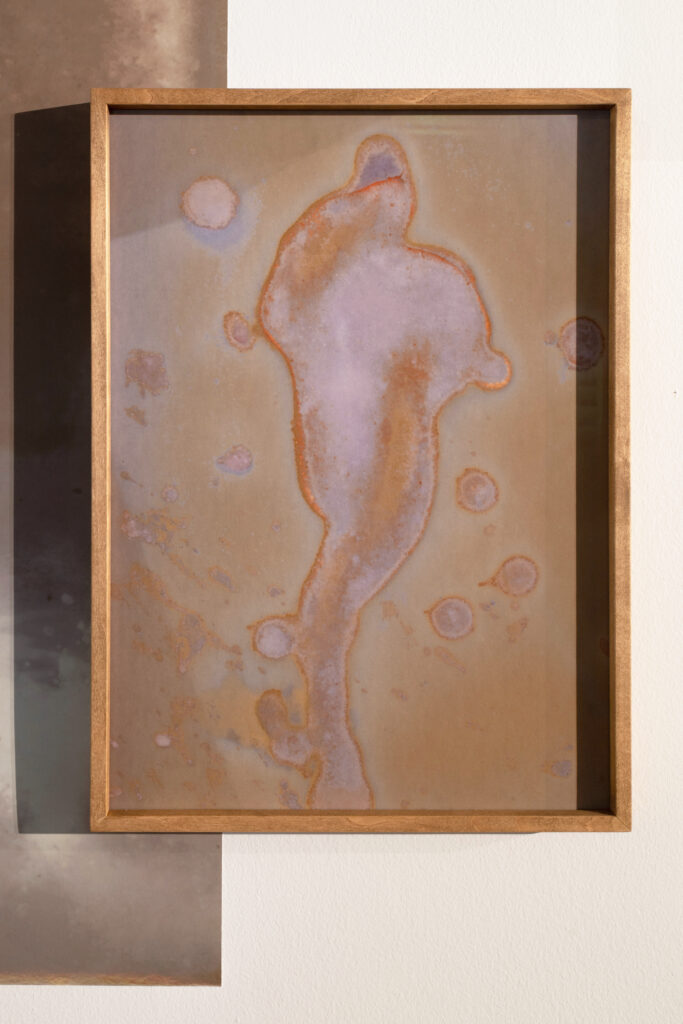
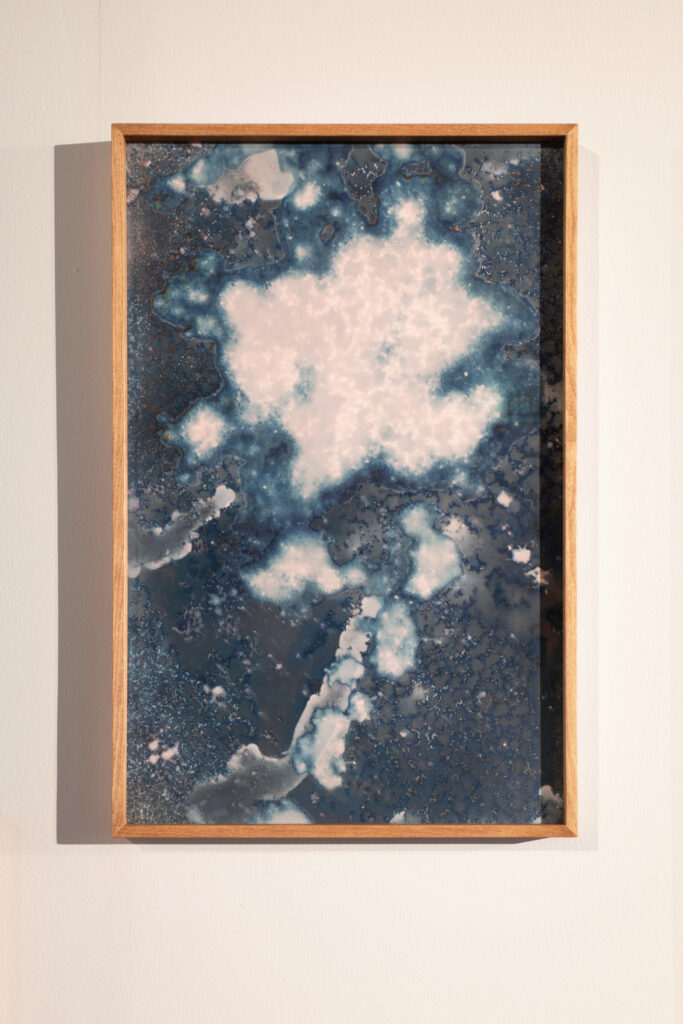
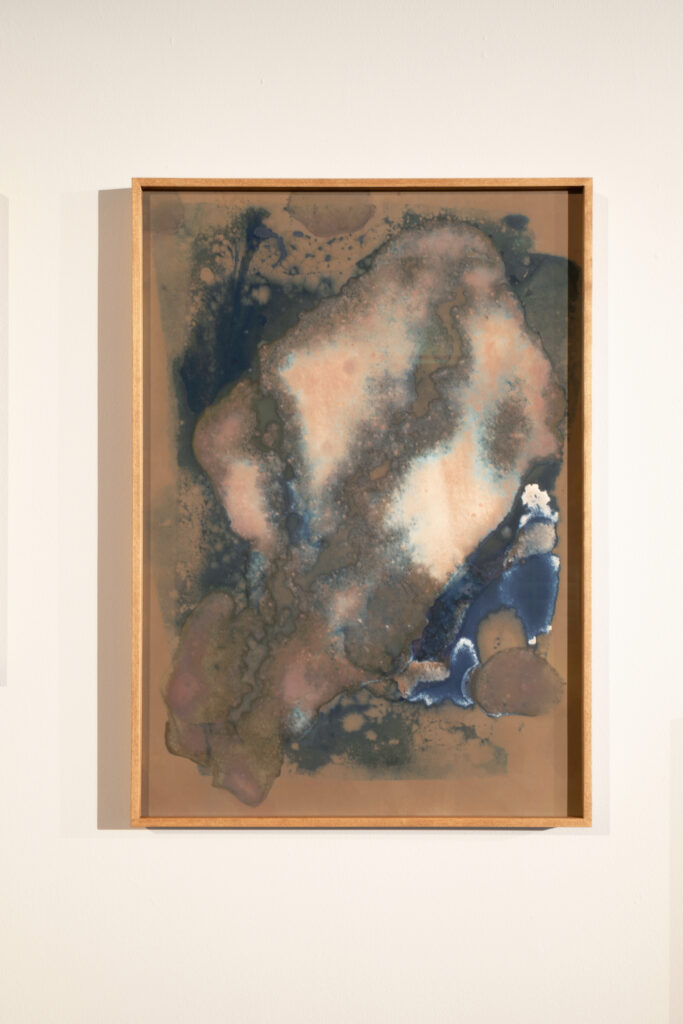
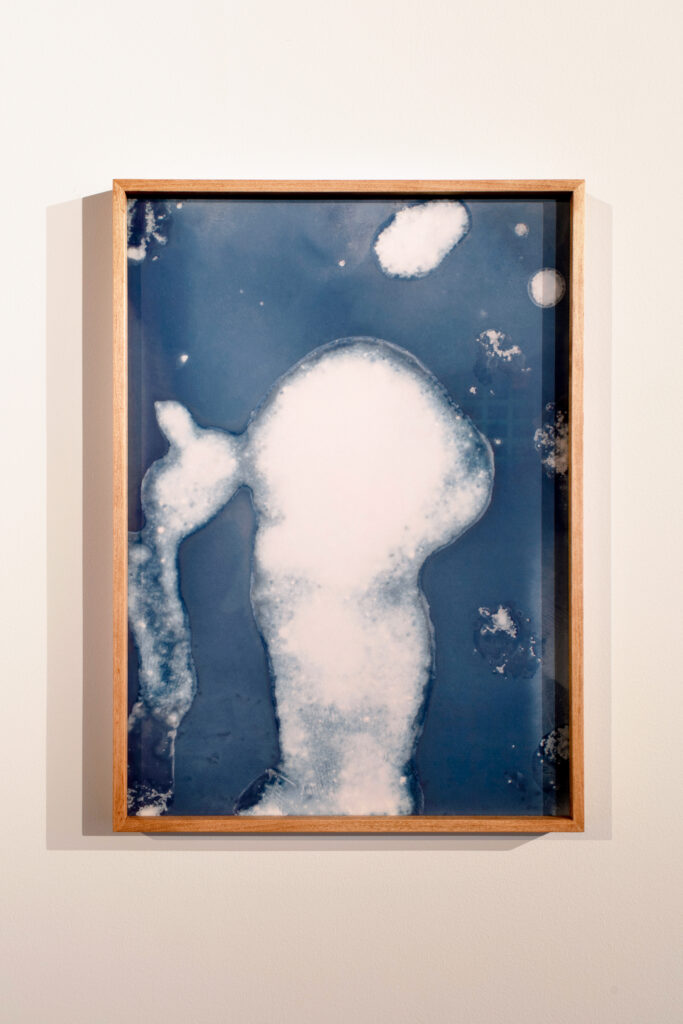
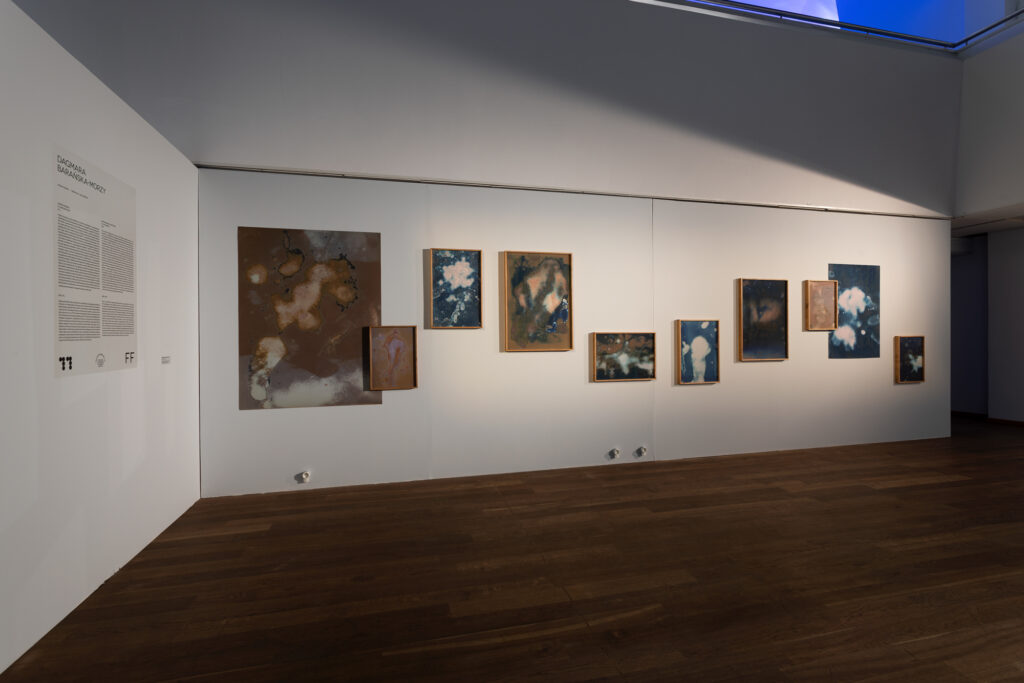
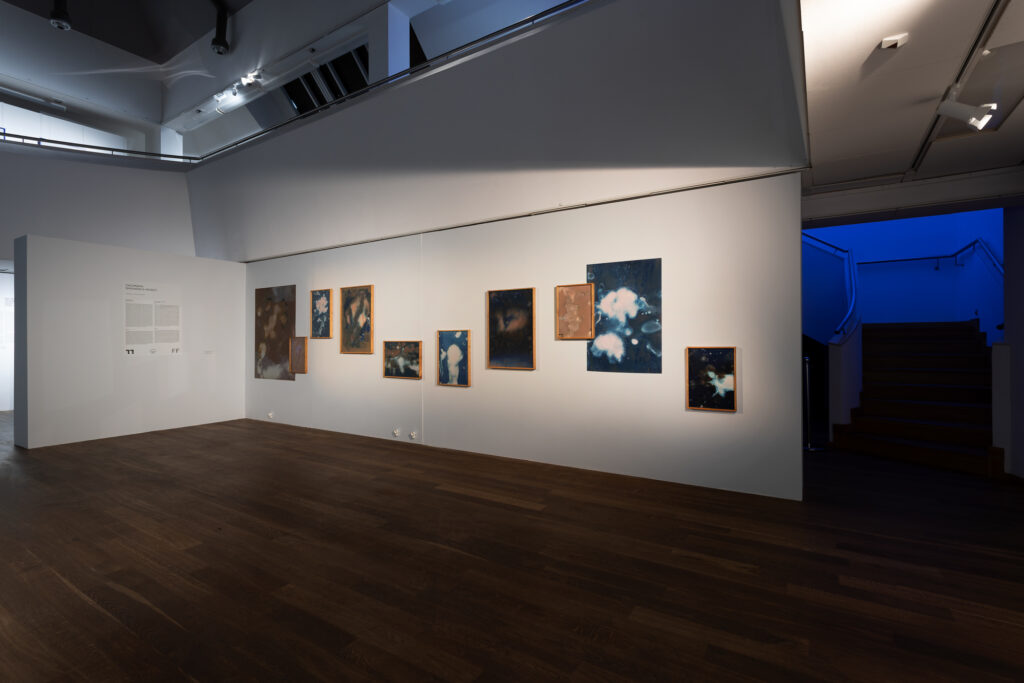
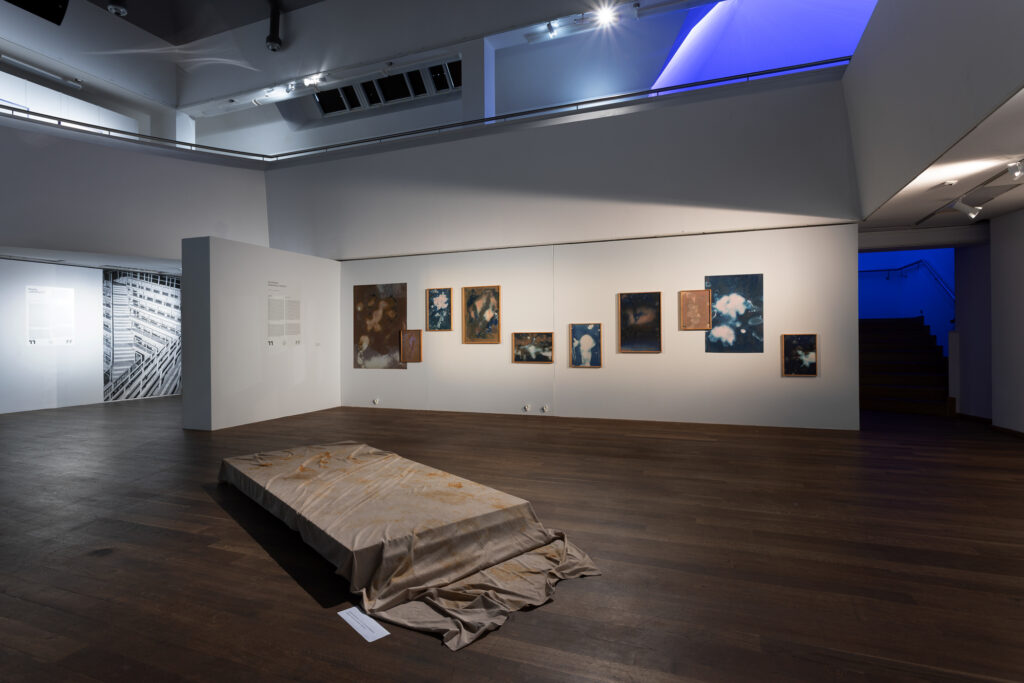
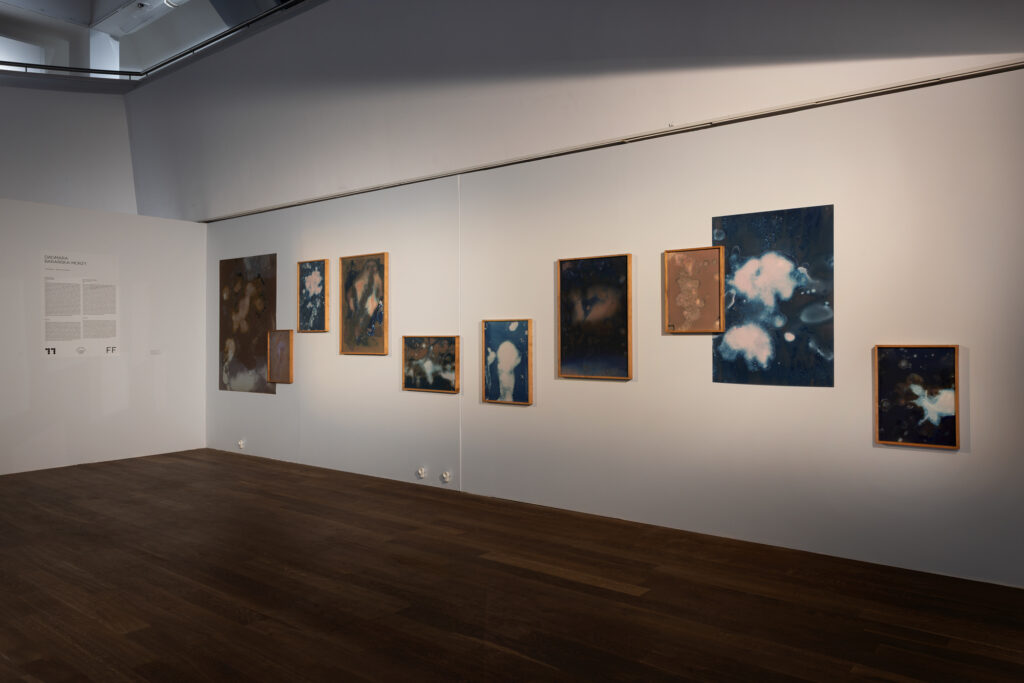
This project is dedicated to the memory of Sopot’s vanished streams – waterways once visible, later regulated and buried underground. Using lumen and cyanolumen techniques, together with a distinctive method involving sand and seawater, I have created a series of maps that document our memory of water. My work draws on the history of Sopot, a city whose development has always been closely tied to its streams. In the past, eleven of them marked the city’s natural boundaries and were a familiar feature of its beach landscape. Today, most have been channelled below ground, leaving irreversible marks on the environment.
Through this practice, I seek to recall these lost waterways and provoke reflection on how human intervention in nature shapes both the landscape and our shared memory. The process of creating memory maps begins with me collecting sand and seawater from the places where the streams once met the sea. On the beach, I made lumen and cyanolumen prints on specially prepared, century-old photographic paper, with wet sand applied to photosensitive emulsion. The result is organic imagery – physical impressions of the memory of water. Each work takes the form of a map, an atlas, or a ‘fluviary’, evoking the history of these sites. Like the shifting traces left on sand by flowing water, every piece is unique and unrepeatable.
By applying historical photographic techniques to contemporary practice on Sopot’s beaches, the project offers a renewed interpretation of the city’s past and its hidden streams. It becomes a starting point for reflecting on the human relationship with nature, and on the ways in which transformations in the landscape shape both identity and memory. Created during my artistic residency in Sopot, the project enters a wider artistic conversation about the memory of place and its ongoing transformation.
Exhibition documentation: Tomasz Maryks